Singapore Zoo vs. Ordinary Zoos: How Mandai Creates an Immersive Wildlife Experience
I have visited quite a few zoos in my travels. Some felt like a mere series of exhibits—walking a fixed route, looking at the animals, snapping a few photos, and then calling it a day.
But when I first visited the Mandai Wildlife Reserve in Singapore, the experience was completely different.
Before I went, I wondered: Why do so many tourists consider the Singapore Zoo a must-visit attraction? What exactly sets it apart from other zoos?
It wasn’t until I stepped into Mandai that I realized modern zoos are no longer just places to display animals; they have evolved into ecological spaces that connect visitors, animals, and the natural environment.
This experience gave me a new perspective on the purpose of zoos and helped me understand why more and more travelers are seeking authentic, in-depth wildlife experiences.
The Problem with Ordinary Zoos: The Gap Between “Seeing” and “Understanding”
In the past, my visits to zoos felt somewhat formulaic.
Visitors would typically follow a map, stop at various zones to read the information plaques, and then move on to the next exhibit.
While this approach certainly allows you to learn about the animals, it often left me feeling that a certain distance remained between humans and the wildlife.
Often, visitors see only the “exhibited side” of the animals rather than their true, natural way of life.
This was especially apparent when traveling with children; they might start out excited, but if the visit consisted merely of looking at animals, they would quickly lose interest.
They would ask questions like:
“Why does it live here?”
“What is it like in its daily life?”
“How is it different from other animals?”
These questions made me realize that what children truly need isn’t just to see animals, but to understand them. This is precisely the direction in which modern zoos are evolving.
The Evolution of Modern Zoos: From Exhibit Spaces to Platforms for Nature Education
As visitor expectations shift, modern zoos are moving beyond the role of simple entertainment attractions.
Increasingly, zoos are prioritizing animal welfare, the simulation of natural habitats, wildlife conservation, and public education.
Visitors want to see more than just the animals themselves; they want to understand the stories behind them. Why does a particular species live in a specific environment? What conservation challenges do they face? How can humans help protect nature? These elements transform an ordinary visit into a meaningful learning experience. To me, this is precisely what makes Mandai Wildlife Reserve so appealing. Instead of focusing merely on showing visitors more animals, it creates an experience that encourages active exploration.
Stepping into Mandai for the first time: It feels more like a nature expedition than a traditional zoo
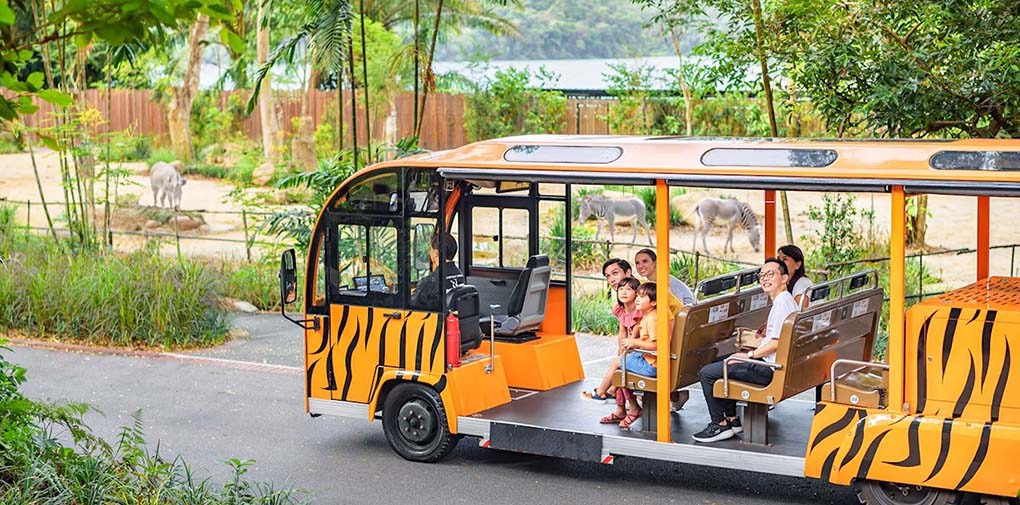
Upon entering Mandai, the most striking impression was the impact of the spatial design.
It didn’t feel like I was simply visiting a series of isolated exhibits; rather, it felt like exploring distinct ecological environments.
Whether it’s the Singapore Zoo, Night Safari, River Wonders, or Bird Paradise, each zone has its own unique theme and character.
At the Singapore Zoo, the standout feature for me was the open, immersive experience.
Visitors can observe animals more naturally, rather than just viewing them from a fixed distance. The changing environments also spark greater interest among children; they pause to observe animal behavior instead of rushing to the next attraction.
This kind of experience makes Mandai feel more like an outdoor classroom.
How does Mandai create such an immersive wildlife experience?
I believe Mandai’s most distinctive quality is its effort to bridge the gap between visitors and nature.
The design philosophy isn’t just about placing animals in front of visitors; through the use of environments, pathways, and presentation styles, it fosters a deeper understanding of the animals.
For instance, I often saw visitors stopping to read the information panels and learn about the animals’ habits, rather than just snapping a photo and moving on.
This shift is significant. When visitors begin to understand the animals, they naturally become more engaged.
Children no longer see just “a cute animal,” but a living being with its own way of life. This experience is particularly valuable for families.
After the visit, children might not remember the names of every animal, but they will remember the scenes they witnessed and the questions that arose in their minds.
Habitat design makes observation feel more natural
One aspect of the Mandai experience that left a deep impression on me was the emphasis placed on the environment.
Unlike traditional zoos, which often feature obvious man-made boundaries, Mandai prioritizes creating environments that closely resemble the natural world. This design not only enhances the visitor experience but also helps people better understand the animals.
For example, seeing animals move about in a naturalistic setting makes it easier to grasp their natural behaviors and lifestyles.
I find this approach far more effective than simply presenting information, as travel memories are often forged in those moments of firsthand observation. When children see animals moving about in their natural habitats, their understanding of ecological conservation becomes much more concrete.
Why do more and more tourists prefer nature-oriented ways of sightseeing?
In my travels, I’ve noticed a shift in tourists. In the past, the focus for many was simply taking photos and checking off tourist spots. Now, however, more people are seeking deeper experiences.
They want to understand local culture, connect with nature, and create meaningful travel memories. This is why wildlife experiences are becoming increasingly popular. Unlike a quick tour of an attraction, nature-based experiences allow visitors to slow down, observe, and reflect.
For me, the greatest value of Mandai lies in the different way of traveling it offers. It makes me realize that travel isn’t just about visiting a place; it’s about gaining new insights along the way.
Why has the Singapore Zoo become such a popular attraction?
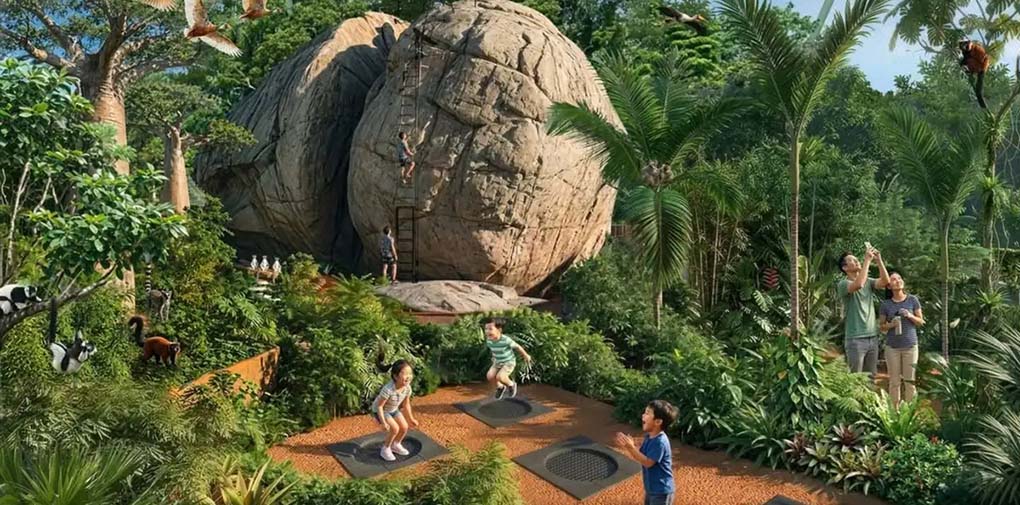
Among Singapore’s many attractions, the Singapore Zoo has maintained its popularity over the long term—and I believe the reason goes beyond just the sheer variety of animals.
More importantly, it offers a holistic experience. Visitors don’t come here merely to take photos; they come to explore, learn, and connect with nature.
Whether they are families, couples, photography enthusiasts, or wildlife watchers, everyone can find an experience that suits them.
For first-time visitors to Singapore, in particular, Mandai reveals a different side of the city.
Many people know Singapore as a modern metropolis, but through Mandai, visitors can see the country’s commitment to nature conservation and ecological development.
Redefining my understanding of zoos
After leaving Mandai, my biggest takeaway was how it transformed my traditional perception of zoos. I used to think zoos were simply places to “look at animals.” But this experience showed me that a great modern zoo does something far more important: it fosters a connection between people and nature.
Through immersive environments, nature education, and rich, varied experiences, Mandai enables visitors to go beyond mere observation and truly understand the animals.
For me, Mandai wasn’t just an ordinary visit; it was a journey of discovery regarding nature, life, and the relationship between humans and animals.